


Two UK hospitals have teamed up to offer a novel type of heart-transplant service for children, reducing waiting times for the life-saving operations.
In the programme, so-called “non-beating donor hearts” are revived to give to teenage recipients. Freya Heddington, 14, from Bristol, was one of the first to get one, waiting just two months instead of two years.
Despite the pandemic, 2020 was one of the busiest years in a decade for heart transplants in children in the UK.
In 2015, the Royal Papworth Hospital in Cambridge became the first in Europe to retrieve and transplant adult donor hearts that had been allowed to stop beating on their own after life support had been withdrawn.
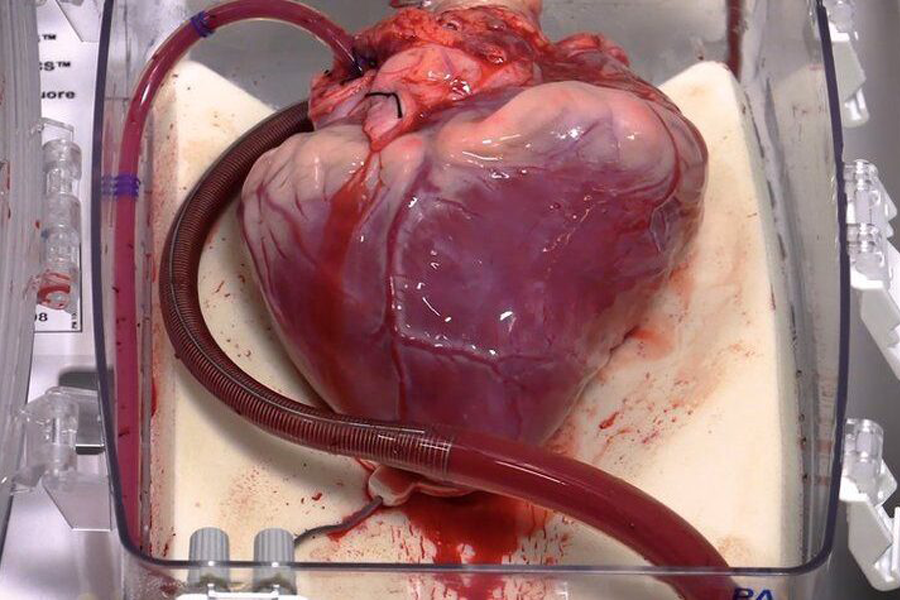
By using a special device, surgeons can effectively restart the heart and keep it healthy until transplantation.
Last February, the hospital collaborated with Great Ormond Street hospital (GOSH) in London to extend the service to children.
Until then, almost all paediatric heart transplants came from patients who had suffered brain death, where although their heart might beat, they would never wake up. Once life support is withdrawn, the heart is stopped and retrieved; also known as donation after brain death (DBD).
How does donation after cardiac death work?
For many years, non-heart-beating donation was deemed unsuitable for transplantation due to the damage sustained from oxygen deprivation when the heart stops.
However, a specially designed machine, called the organ care system, can help keep it beating outside the body.
The heart can be transferred to the device once life support is withdrawn, the heart has stopped beating on its own and death has been confirmed.
Blood, nutrients and oxygen are pumped through the organ for up to 12 hours, allowing time to carry out vital checks and even transport it to other hospitals for transplantation.
A donor family’s consent is always required before any surgery.